Navigating the Future: Smart Traffic Management and Urban Mobility Solutions
Picture this: You're sitting in traffic, honking your horn, watching the minutes of your life tick away. It's a common scene in our urban jungles, and it often feels like an endless loop. In an era where time is as precious as gold, how can smart traffic solutions change the way we navigate our cities? Enter the realm of smart traffic management systems, where technology meets urban travel. These solutions are revolutionizing how we experience commuting and logistics, showcasing the incredible potential of innovative infrastructure in urban planning.
Imagine a world where a simple app on your smartphone can predict the best route for your journey, avoiding congested areas, accidents, and delays. Smart traffic solutions leverage data and advanced algorithms to optimize traffic flow, allowing for seamless navigation and wayfinding. "Efficiency is doing things right; effectiveness is doing the right things," said Peter Drucker, and in the world of urban mobility, technology is ensuring we tick both boxes. Whether you’re heading to work or planning a weekend getaway, these systems make travel not just easier, but smarter.
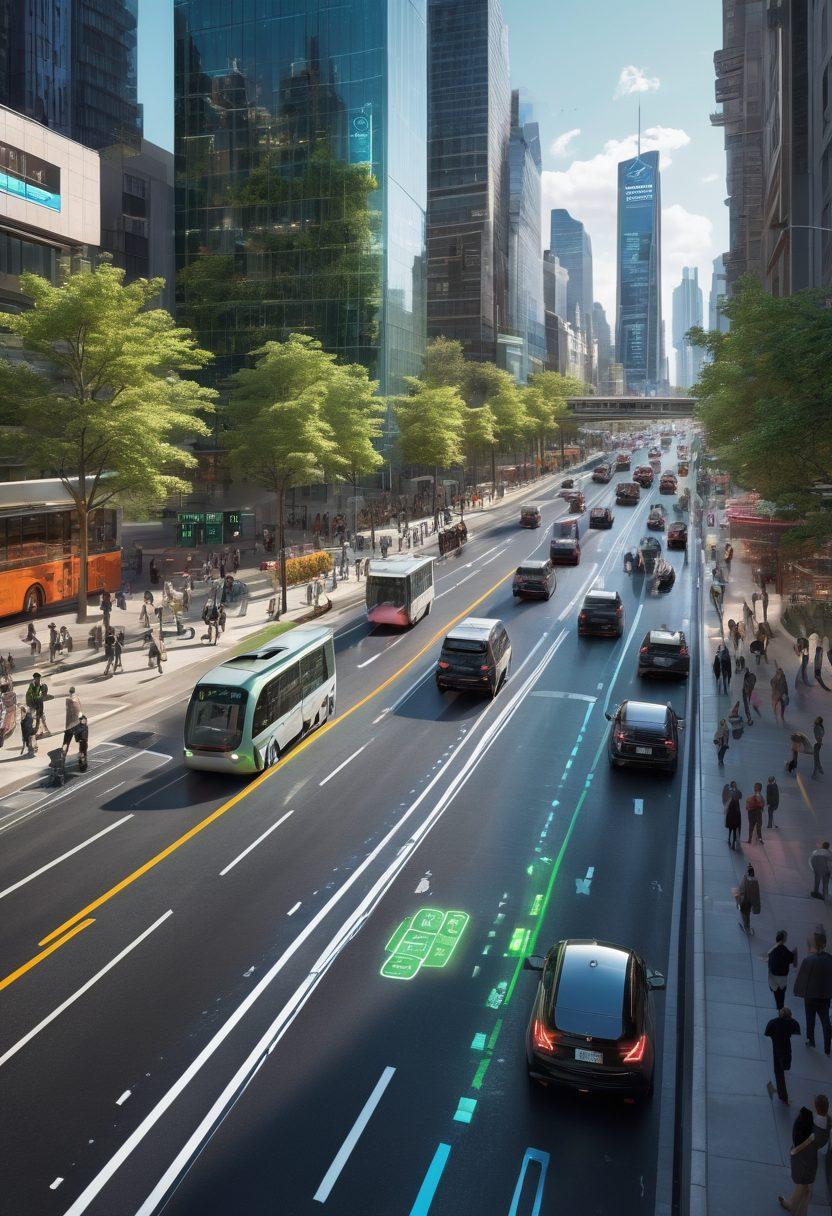
What if you could receive real-time updates about your surroundings while on the move? With smart traffic management, that's becoming a reality. Traffic lights that adapt to real-time conditions, sensors embedded in roadways that monitor traffic density, and connected vehicles that communicate with one another are all part of a transportation renaissance. It's like having an invisible guide directing the flow of your urban experience, turning everyday commuting into a positively orchestrated routine.
Yet, this shift isn’t just about technology; it’s about a mindset change towards mobility. Consider the integration of pedestrian-friendly pathways, bike lanes, and public transport alternatives. Think about how urban planning can mold districts to enhance travel while reducing environmental impact. The beauty of smart traffic solutions lies in their ability to cater to all forms of transportation. "The greatest danger in times of turbulence is not the turbulence; it is to act with yesterday’s logic," Benjamin Franklin once said. Today’s smart traffic management requires us to adapt and innovate, considering the diverse needs of our communities.
As we navigate this exciting road ahead, it's essential that we stay informed and engaged. After all, our cities deserve more than just an efficient transportation route—they deserve to be vibrant, accessible, and user-friendly. So, the next time you find yourself caught in a traffic jam, think about the possibilities smart traffic solutions hold for improving your journey. Invest in technologies that enhance your travel, and become an advocate for urban mobility innovations in your community. Remember, every small action counts towards the larger goal of revolutionizing urban travel for future generations.
Seamless Journeys Ahead: Innovative Approaches to Route Planning and Wayfinding
Imagine stepping out of your front door to a world where your commuting experience is seamless, stress-free, and efficient. This isn’t just a dream; it’s the reality being shaped by innovative approaches to route planning and wayfinding. With the rapid evolution of technology and smart traffic management systems, urban mobility solutions are being developed that ensure your journey—whether to work, school, or a leisurely outing—is not only easier but also more enjoyable. Have you ever found yourself stuck in traffic, wondering if there was a better route you could have taken? Well, the good news is that these innovative solutions are here to eliminate those frustrating moments.
In today’s rapidly urbanizing world, the need for efficient transportation and logistics has never been greater. Cities are bursting at the seams with traffic as populations increase and commuting patterns evolve. The way we navigate urban environments plays a crucial role in minimizing congestion and enhancing the overall travel experience. With advancements in technology, such as artificial intelligence and real-time data analysis, traffic management is transforming. Picture a future where smart algorithms guide you to your destination, taking into account live traffic updates, road conditions, and even local events that could impact your route. Could you imagine a rush hour without the stress of gridlock?
Trafalgar Square is more than just a landmark; it symbolizes the need for effective navigation in bustling urban settings. Just as Trafalgar brings people together, so too should our urban planning initiatives. Wayfinding has evolved beyond traditional maps; we now rely on GPS-enabled devices and mobile applications that direct us through our cities. But how do we ensure these tools meet our daily needs? The answer lies in user-centric design. Apps that learn from user behavior, preferences, and trends can create personalized journeys that adapt in real time, making your travel easier and more efficient. Think about it: wouldn’t you appreciate a navigation aid that remembers your favorite routes, keeps you updated on hazards, and avoids bottlenecks?
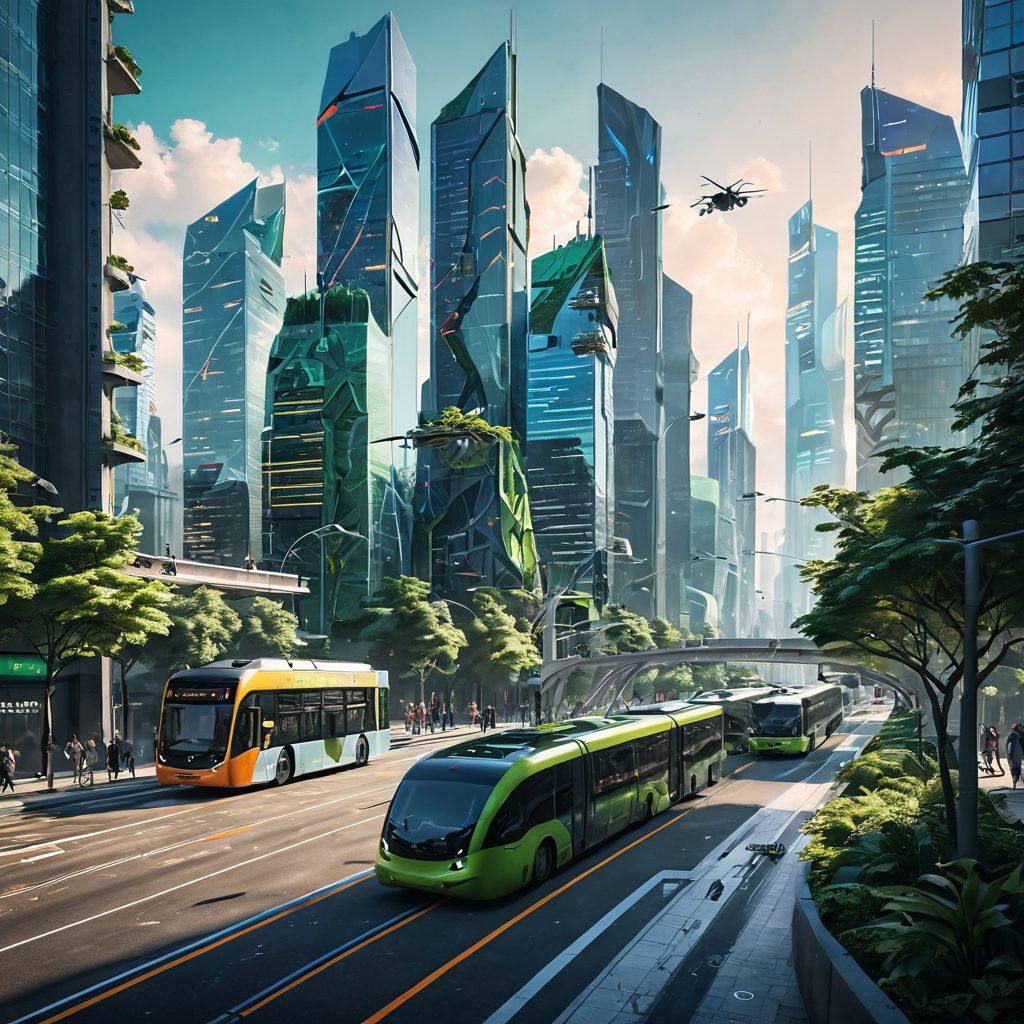
As cities continue to innovate, there’s a huge emphasis on integrating multiple forms of transportation. Imagine a scenario where you can seamlessly transition from a bus to a bike-share program or even a ride-sharing service, with just a tap on your phone. Urban mobility is about more than just traffic management; it’s about creating an interconnected transportation ecosystem that is holistic and inclusive. It’s about recognizing that each mode of transport plays a vital role in our daily lives. Have you ever thought about how your short walk to the bus stop connects to your overall journey? It’s the little things—like quality sidewalks and bike lanes—that make the biggest difference.
In conclusion, the future of urban mobility rests on innovative approaches to route planning and wayfinding. From intelligent navigation systems to integrated transportation networks, these solutions are set to transform the way we travel. It’s time to embrace this change and become proactive participants in our urban environments. So, next time you find yourself on your daily journey, remember the potential that technology holds in making your commuting experience not just manageable, but truly enjoyable. After all, every great journey begins with a single step—or in this case, an informed choice. How will you embark on your next adventure in the seamless landscape of tomorrow's cities?
Building Tomorrow's Cities: The Intersection of Mobility and Infrastructure
As we gaze into the horizon of urban landscapes, one question arises: how do we build tomorrow's cities? The answer lies at the intersection of mobility and infrastructure. In a world where technology advances at breakneck speed, smart traffic management and innovative urban mobility solutions are becoming the guiding stars for urban planning. Think of Trafalgar square— a bustling hub where people gather, travel, and navigate through the city. The future urban environment must not only accommodate the influx of commuters but also enhance their journey through effective traffic management and infrastructure improvements.
Imagine a city where traffic flows as smoothly as a gentle river, where route planning is a breeze, and every journey is free from the frustration of gridlock. This is not the stuff of dreams; it is the potential of modern transport systems fueled by smart technology. Urban planners and innovators are harnessing the power of data and analytics to create advanced navigation systems that will improve wayfinding and reduce travel time, enabling citizens to experience efficient commuting as they navigate their daily lives.
At the heart of this evolution is the recognition that mobility is intertwined with all aspects of urban living. From logistics that ensure goods reach their destinations on time to infrastructure that supports sustainable transportation options, each element influences how we move within our cities. As we build these future landscapes, we must ask ourselves: How do we ensure that our transportation systems are not only effective but also equitable? As we strive to make our cities more livable, accessibility must be a priority for all.
Take, for instance, the innovations brought forth by ride-sharing companies, electric scooters, and autonomous vehicles. These advancements are revolutionizing the ways we think about traffic and commuting. But what about the infrastructure that supports them? Smart traffic management systems must be in place to integrate these new transport options seamlessly into our existing urban frameworks. Will we see dedicated lanes for electric bicycles as the norm? How might the way we plan our routes change when we embrace these new modes of traveling?
The journey to building smarter cities is ongoing and requires a collaborative effort among city planners, transit agencies, and citizens. As the landscape of urban mobility evolves, so too must our approach to infrastructure. We must embrace new technologies that enhance our wayfinding experiences, ensuring that every commuter is not just moving from point A to point B, but that they are embarking on a journey that is enriching, accessible, and harmonious with the environment. Let us rally towards this vision of tomorrow's cities—where smart traffic management and dynamic mobility solutions pave the way for a brighter future.